

THE JUNTA MARCH ON THE ECOMOG BASE AT JUI AND HOW IT ALL ENDED IN A WHIMPER
Sunday September 7, 1997 - Less than a week after the Mabaylla massacre on the morning of September 4, junta activists and operatives apparently not so happy with the response they had hoped for after accusing the Nigerian ECOMOG troops based at Lungi of carrying out the murders of the innocent decided to try another angle.
This time, they were going to march all the way from the city centre to the ECOMOG base at Jui, some thirteen miles outside the city to, according to them, protest against the presence of Nigerian troops on Sierra Leone soil. With the anti-Nigeria/n sentiment now whipped up to near-hysteria on SLBS radio and TV, the junta played another card - go to Jui with civilians leading the march and get the Nigerians out.
Jui had been a
contested area of operation with the Nigerians digging in deep (huge trenches
and all) and the AFRC/RUF junta was not that pleased at the defensive positions
being readied by ECOMOG. A couple of clashes between them and ECOMOG had seen
them removed from areas junta soldiers previously occupied and this had left
them fuming in frustration and utter exasperation.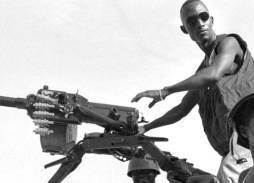
The use of civilians in a so-called protest march would have been the ideal. (Read human shield). With large numbers of civilians leading and waving white cloths signifying peace and singing "We want peace", that would have been the right scenario for the junta to launch a devastating attack that would have cleared ECOMOG from the strategic Jui site.
And so early on Sunday morning September 7 even as the faithful were contemplating on whether it was safe for them to venture out in the streets after the carnage of Mabaylla, junta troops were out in the streets ordering people to prepare for a march on the ECOMOG base at Jui.
Sunday worshippers were surprised to see armed junta troops and their civilian supporters in the vicinity of churches ordering the faithful to go back home and get ready for the march on Jui.
Quite a good number saw through this, especially after the Thursday September 4 murders at Mabaylla and refused to comply. Others caught out in the streets were forced to join the march, given white pieces of cloth and told to sing the now ominous "We want peace" junta anthem.
The protest from church-goers could have got to the ears of those in the junta who knew what this would mean, more especially so after the September 4 tragedy. An announcement on state radio later said that people should be allowed to attend church services.
While those in churches got a temporary relief, junta operatives were busy ordering at gunpoint any and all civilians found on the streets as well as visiting the homes of people they believed were anti-junta. These were civilians termed "pro-democrats" because they refused to recognise the junta or simply "those calling for intervention". They were to form the advance guard of the junta human shield - the unwilling canon fodder for the guns of ECOMOG.
Even as frenzied preparations were made with junta forces armed with RPG tubes and bombs as well as automatic weapons ready to mingle with the unsuspecting civilians, ECOMOG was also busy warning the organisers not to try to reach their defensive positions, threatening to open fire on anyone who dared to cross a certain bridge on the way to Jui.
State radio (junta mouthpiece) meanwhile continued to urge their supporters to disregard the ECOMOG warnings and march on the Jui base which they had lost after skirmishes with ECOMOG. Their troops now fortified with their usual "moral boosters" of alcohol and hard drugs appeared deaf to any warning as long as they had civilians in tow who would be used to test the resolve of the ECOMOG troops.
As it turned out, the repeated warnings from ECOMOG got the junta into a rethink of this Sunday strategy.
ECOMOG had warned
them that any civilian death would be laid squarely at the door of the junta and
that action planned against them would not be limited against the marchers, but
against Johnny Paul Koroma and all his men.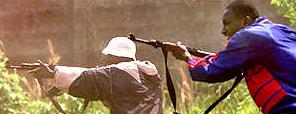
That was enough for the junta.
Hurriedly the marchers now assembled at the Foamex factory, by the Upgun area by then were dispersed with a warning that they should be prepared for another march against "the Nigerian occupation forces" when so ordered.
And so were the civilians of Freetown spared.
And so did the junta get exposed once more in its use of civilians as human shields when attacking "enemy positions".